
Description
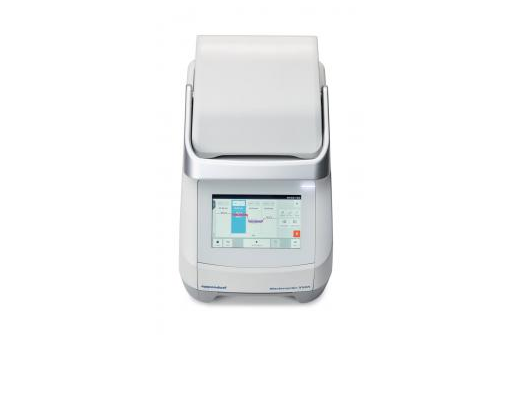
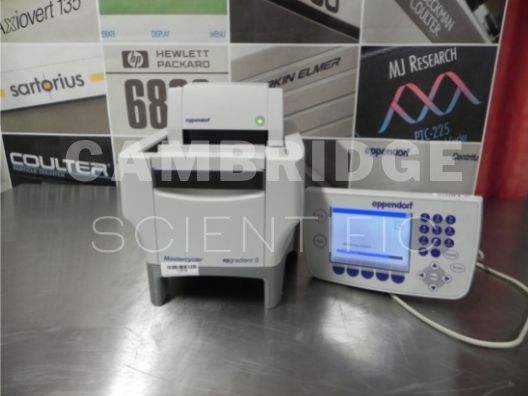
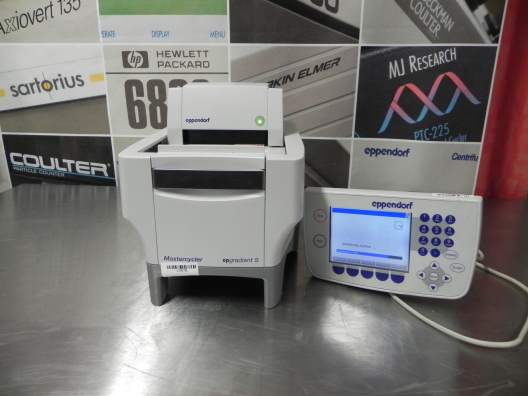
The automated thermal cycler Biometra TRobot II allows a high-throughput PCR workflow with 24/7 reliable, unattended operation with highest quality of results for routine PCR or incubation applications. It is ideal for molecular biology labs that face a large number of samples every day and need to rely on the analysis results of their valuable samples. In addition to the typical main application, the polymerase chain reaction (PCR), the Biometra TRobot II is also suitable for all other molecular biological or chemical incubations in PCR plates. For example, the generation of libraries for Next Generation Sequencing (NGS) is an important step in a larger workflow where the automated thermal cycler can be used. This reduces the manual effort and the possibility of errors. The PCR cycler has outstanding heating and cooling rates and excellent temperature homogeneity across the sample block for highly reproducible PCR results. For the setup of new protocols or for the transfer of existing protocols from other thermal cyclers it is sometimes necessary to make slight optimizations to the protocols. For this purpose the Biometra TRobot II includes a gradient function. With this function it is possible, to test different temperatures in the critical annealing step of the PCR in one run.
Features:
- Compact Footprint: The PCR module sits directly on the automation deck while the controller can be stored underneath the platform to save space.
- High Performance: Features rapid heating/cooling rates and excellent temperature homogeneity. The 96-well silver block model achieves heating rates up to 5 degrees Celsius.
- Patented Lid Technology: Utilizes a patent-pending plate-lift and lid mechanism to ensure optimal functionality on robotic platforms, preventing robotic arm collisions.
- Status Indication: Includes an intuitive LED display on the block module that provides status updates via color and light codes.
Specifications:
- Sample Block: Aluminum, Special Alloy
- Block Capacity: 384 well microplate
- Proposed Sample Volume: 5-25 µL
- Maximum Heating: 2.4 °C/s
- Average Heating: 2.2 °C/s